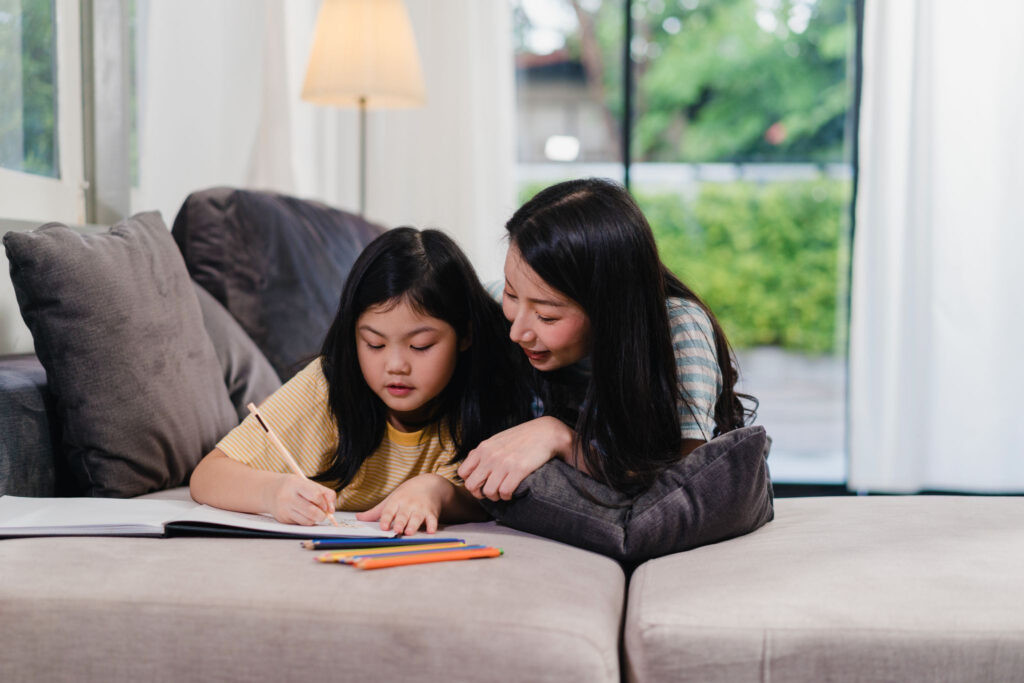
The Role of Parents in Public Schools

Public schools serve as vibrant microcosms of community life, where diverse perspectives and talents intertwine to create an enriching educational tapestry. Amidst this mosaic, the involvement of parents is not merely an adjunct; it is a dynamic force that fosters academic excellence and personal growth among students. Parents are invaluable partners in the educational journey, offering support that transcends the traditional boundaries of classroom instruction.
Cultivating a Collaborative Spirit
In today’s multifaceted educational landscape, the influence of family dynamics is paramount. When communities witness parental involvement in schools, they are exposed to a harmonious blend of cultural insights and academic enthusiasm. Parents, with their unique experiences and wisdom, contribute to a learning environment that is both nurturing and stimulating. Their proactive participation creates a supportive atmosphere where teachers feel empowered, and students thrive academically and socially.
The infusion of familial energy into school events, classroom discussions, and extracurricular activities is a testament to the indispensability of family voices. Short yet powerful contributions—such as a cheerful smile at a school fundraiser or a brief yet impactful comment during a parent-teacher meeting—can elevate the collective spirit and encourage others to contribute. It is in these moments that the genuine essence of community collaboration is revealed.
Strengthening Educational Outcomes
The synergy between educators and families yields remarkable benefits, fostering an environment where every child is motivated to excel. The role of parents in education extends beyond mere attendance at school meetings; it involves actively engaging with the curriculum, understanding individual learning styles, and reinforcing academic concepts at home. This comprehensive approach ensures that learning is continuous and contextual.
Teachers consistently acknowledge that when parents actively participate in their child’s educational journey, students exhibit enhanced confidence and resilience. The confluence of academic instruction with home-based reinforcement enables children to internalize lessons more effectively. Parents who cultivate an atmosphere of curiosity and inquiry at home encourage their children to approach academic challenges with verve and determination. In doing so, they instill a lifelong passion for learning.
Innovative Methods of Support
The modern educational paradigm is evolving, and with it, the methods by which parents contribute are becoming increasingly inventive. Digital platforms, community forums, and virtual conferences have transformed traditional interactions, allowing for a broader and more immediate exchange of ideas. These technological advances have redefined how parents support public schools, rendering geographical constraints nearly obsolete. Enthusiastic parents now have access to webinars, online workshops, and interactive tools that facilitate real-time dialogue with educators, ensuring that their voices are heard regardless of physical presence.
Moreover, parents can actively engage in shaping school policies by serving on advisory boards and committees. Their participation in these decision-making processes not only fortifies the educational framework but also fosters a sense of ownership and responsibility within the community. This proactive involvement ensures that schools remain responsive to the evolving needs of their students, blending traditional educational practices with innovative strategies that cater to modern challenges.
Nurturing a Holistic Learning Environment
At its core, education is a multifaceted experience that extends well beyond textbooks and examinations. The dynamic interplay between school and home nurtures an environment where social, emotional, and cognitive development coalesce seamlessly. Family engagement in public education is instrumental in nurturing well-rounded individuals who are adept at both academic pursuits and interpersonal relationships. When families engage wholeheartedly, children gain exposure to varied perspectives that enhance their critical thinking and empathy.
The beneficial outcomes of sustained family involvement are evident in improved behavioral patterns and heightened academic performance. In schools where parents actively collaborate with teachers, students tend to exhibit increased punctuality, improved discipline, and a more robust sense of accountability. Such an environment is conducive to cultivating intellectual curiosity and emotional intelligence—qualities that are indispensable in an increasingly complex world.
Fostering Community Resilience
A resilient educational ecosystem is one that is built on trust, mutual respect, and shared responsibilities. The symbiotic relationship between families and schools is pivotal in nurturing this resilience. The enduring impact of active parental participation is manifest in community events, educational workshops, and collaborative projects that underscore the importance of unity and shared purpose.
By embracing parental involvement in schools, communities lay the groundwork for a future marked by mutual understanding and collective achievement. Parents who are engaged in school activities often serve as role models for other community members, inspiring a culture of volunteerism and civic responsibility. This culture not only benefits individual students but also fortifies the overall societal fabric, ensuring that the principles of education and communal support are passed down through successive generations.
The contribution of parents to the educational landscape is both profound and transformative. Their proactive engagement enhances the academic milieu and fosters an environment of trust, cooperation, and continuous learning. Whether through direct classroom interactions or innovative digital initiatives, the enduring influence of family participation reshapes public schools into bastions of collective achievement.
In summary, the interplay between family and school is a cornerstone of academic and personal success. Recognizing and harnessing the role of parents in education is essential for crafting a vibrant and inclusive learning community. When we appreciate how parents support public schools, we celebrate a legacy of commitment and collaboration that empowers every student to reach their fullest potential. Ultimately, family engagement in public education stands as a beacon of hope and excellence—a testament to the transformative power of unity in the pursuit of knowledge.